Choosing the Right Water Repellent Paint for Outdoor Joinery
Outdoor timber joinery—whether windows, doors, fascias, balustrades, or bespoke exterior structures—faces some of the harshest conditions of any material used in construction. Moisture, UV exposure, biological growth, and repeated cycles of swelling and contraction all contribute to the premature deterioration of the material. The result? Paint that flakes, joints that open, and timber that decays from the inside out.
While traditional paints and oil finishes certainly have their place, neither is specifically engineered to keep moisture out of wood. This is where water repellent paint steps in, a modern solution designed not only to coat and colour outdoor joinery, but also to help the timber resist water absorption actively. When selected correctly, it becomes both a wood protector and an aesthetic enhancement.
This article explores what water repellent paint really means, how it works, how it differs from standard finishes, why it matters for long-term joinery performance, and how to choose ultra-reliable options such as Treatex wood paint for professional outdoor applications.
What “Water Repellent Paint” Really Means
The term “water repellent paint” is often used broadly, but in simple terms, it refers to a coating designed to help prevent moisture from soaking into the timber. These paints use hydrophobic additives that encourage water to run off the surface, helping to keep the wood drier for longer.
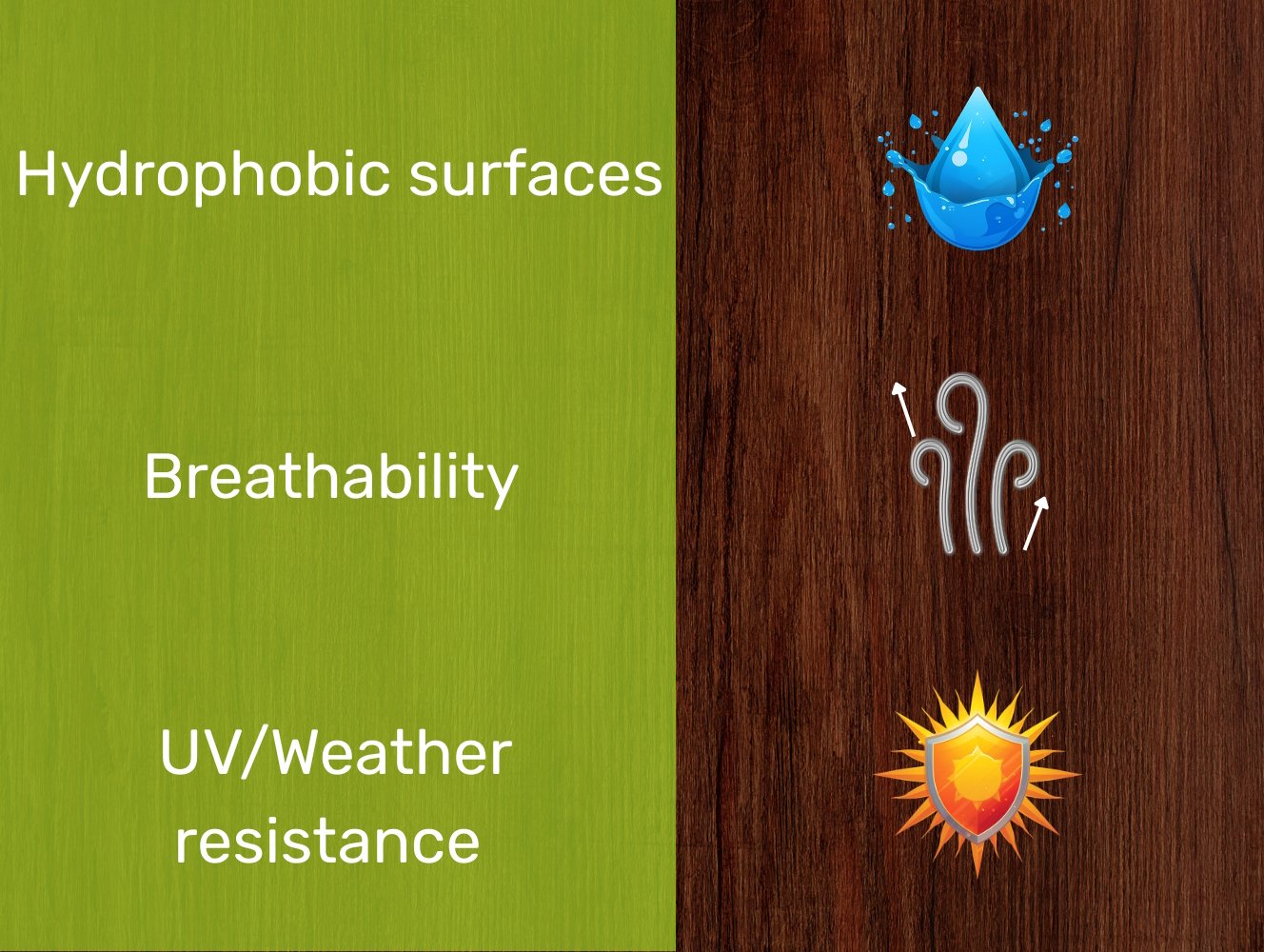
True water repellent paints offer three essential protections:
1. Hydrophobic Surfaces
The paint film is engineered to repel water, much like a freshly waxed car, encouraging droplets to run off the surface rather than sit and soak in. This reduces the risk of water entering the wood grain, especially around vulnerable end grain and joints.
2. Breathability
Unlike some older exterior paints, modern water repellent formulations allow water vapour to escape from inside the timber. If moisture becomes trapped within, it will eventually blister the paint and accelerate rot. Breathable water repellent paints strike a balance: they repel liquid water from the outside while allowing vapour to diffuse outwards.
3. UV and Weather Resistance
Hydrophobic protection is only part of the story. By resisting UV degradation and surface erosion, these coatings maintain their water-repelling structure for far longer than standard paints.
In short, a true water repellent paint doesn’t just provide a decorative coat. It actively enhances the timber’s natural defences, an important distinction for anyone working with outdoor joinery.
How Water Repellent Paint Differs from Standard Paint or Oil Finishes
Understanding the differences between these three categories helps clarify why water repellent paint is so valuable for exterior timber.
Standard Exterior Paint
Traditional exterior paints form a protective film over the timber’s surface. While good-quality paints offer durability and colour retention, they often:
create a relatively impermeable film
offer limited hydrophobic protection
can crack, peel, or blister if moisture becomes trapped underneath
This type of paint works well on many building materials, but wood, an organic, moisture-sensitive substrate, requires more specialised treatment to withstand swelling and contraction cycles.
Oil Finishes
Exterior oils penetrate the timber to enhance grain and colour. They provide:
natural-looking aesthetics
some degree of water resistance
easy reapplication
However, oils are not typically long-term wood protectors. They demand regular maintenance and offer limited defence against harsh weather, especially UV. Oils also lack the robust film-building characteristics needed for high-exposure joinery such as window frames.
Water Repellent Paint
A modern water repellent paint blends the benefits of both worlds:
It penetrates and bonds like an oil, providing a strong connection to the timber.
It also forms a highly durable, breathable film that repels water like a specialist coating.
The result is a wood protector that offers superior longevity, colour durability, and resistance to moisture-related damage. This hybrid performance makes water repellent paint increasingly popular in the joinery, carpentry, and architectural sectors.
Why Protecting Outdoor Joinery from Water Damage Is Critical
Timber is strong, versatile and naturally beautiful, but it also absorbs moisture. Without the right protection, this can lead to swelling, shrinkage, fungal growth, UV damage, and eventually coating failure. Using a water repellent paint helps reduce these risks by limiting how much moisture can reach the wood in the first place, keeping your joinery stable, durable and looking its best all year round.
When to Use Water Repellent Paint on Timber
Water repellent paint is suitable for most exterior timber surfaces—from window frames and doors to pergolas, gates and garden structures. It performs well on both hardwoods and softwoods and is especially valuable in areas exposed to constant moisture, heavy weather or strong sunlight. Its advantages become even more important in challenging environments, such as coastal areas, shaded or persistently damp locations, and buildings with little roof overhang where timber is exposed to wind-driven rain and constant moisture. In these conditions, a high-quality water repellent paint plays a vital role in protecting joinery and maintaining long-term performance.
Why Treatex Wood Paint Is a Leading Choice
Treatex Wood Paint is a trusted choice for professionals looking for a durable, reliable and easy-to-maintain finish for exterior timber. It brings together water repellency, breathability and long-lasting colour to help protect and enhance wood in a wide range of outdoor settings.
Professionals often choose Treatex wood paint because it delivers:
1. Excellent Water Repellency
Its hydrophobic formula repels liquid water while still allowing vapour to pass through. This prevents moisture buildup and reduces the risk of blistering or peeling.
2. Strong UV Protection
The coating includes UV filters that help preserve both the structural integrity and visual appeal of wood over time.
3. Durable Film-Building Properties
Unlike oils, which require frequent maintenance, Treatex wood paint forms a robust exterior film engineered to withstand harsh weather cycles.
4. Beautiful Wood Enhancement
Treatex Wood Paint offers rich, attractive colours that complement the natural character of timber. Whether your project has a traditional or contemporary style, it helps your joinery look fresh and well-finished.
5. Wide Range of Applications
Treatex wood paint is suitable for both new and previously coated timber. It is widely used by:
joinery manufacturers
carpenters
architects
exterior decorators
restoration and conservation specialists
Its versatility makes it a reliable, go-to wood protector for both residential and commercial projects.
Combining Protection with Wood Enhancement
One of the most compelling advantages of modern water repellent paint systems is that they do not force a choice between protection and aesthetics. With formulations such as Treatex wood paint, the coating works as both a wood protector and an agent of wood enhancement. This balance of form and function is exactly what modern exterior joinery demands.
Conclusion: Making the Right Choice for Long-Lasting Outdoor Joinery
Choosing the right finish is one of the most important steps in protecting outdoor timber. A high-quality water repellent paint offers more than colour; it provides long-term stability, durability and resistance to the elements.
Whether you’re working on new joinery or refreshing existing timber, specialist products like Treatex Wood Paint help you achieve a long-lasting, beautiful finish. Ready to protect your exterior joinery? Explore our range of water-repellent paints and find the ideal finish for your project.