Treatex Colour Tones: A Complete Furniture Maker’s Guide
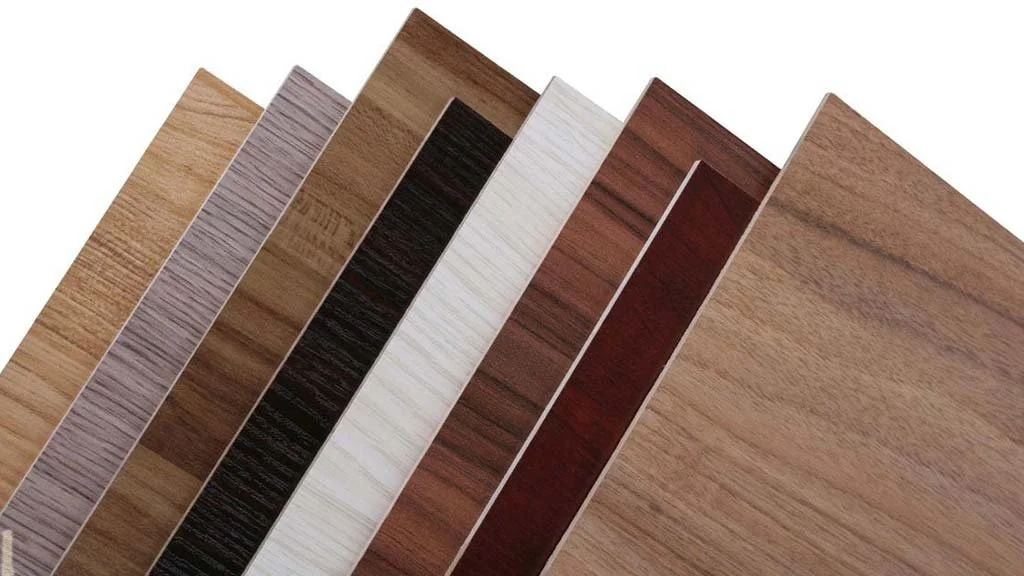
Selecting the right colour for wood is one of the most influential decisions a furniture maker can make. Colour not only defines the visual impact of a piece but also affects how craftsmanship, proportions, and materials are perceived. The right colour can elevate a well-made item into a standout centrepiece, while a poor colour choice can mask grain, distort balance, or clash with its intended setting.
For furniture makers who value control, consistency, and sustainability, Treatex Colour Tones offer a reliable and versatile approach to colouring timber. Designed to enhance rather than obscure natural wood, these finishes are particularly well suited to bespoke furniture, where individuality and material quality matter.
This guide explores how colour tones work, how to choose between warm, cool, and neutral finishes, how timber species influence results, and how to achieve professional, repeatable outcomes using Treatex Colour Tone Ultra.
What Are Colour Tones and Why Do They Matter?
Colour tones are pigmented wood finishes designed to penetrate the surface of timber rather than sit on top of it. Unlike opaque paints, they allow the grain and natural variation of the wood to remain visible, creating depth and authenticity. This makes them especially valuable in furniture making, where the timber itself is often a defining feature.
When applied correctly, colour tones subtly enhance the natural characteristics of the wood. They can unify components made from different boards, reduce unwanted colour variation, or deliberately introduce contrast and warmth. Because they interact directly with the timber fibres, colour tones feel more natural and tactile than surface coatings.
Treatex Colour Tones are formulated using natural pigments that soak deeply into the wood. This results in a finish that looks integrated rather than applied, making it ideal for pieces where craftsmanship and material honesty are central to the design.
Understanding Treatex Colour Tone Ultra
Treatex Colour Tone Ultra is a professional-grade product designed for interior wood finishing, including furniture, floors, doors, and joinery. It penetrates deeply into the timber, delivering a consistent, natural-looking colour while preserving grain clarity and texture.
Unlike film-forming finishes, Treatex Colour Tone Ultra allows timber to breathe. This reduces the risk of peeling, blistering, or cracking over time and ensures the finish ages gracefully. It can be used on both hardwoods and softwoods and is compatible with a wide range of interior projects.
Formulated with sustainability in mind, it uses high-quality natural pigments and responsibly sourced ingredients. It can be used alone for decorative applications or combined with Treatex Hardwax Oil Ultra to add protection and durability, making it suitable for furniture that will see regular use.
Choosing Between Warm, Cool, and Neutral Colour Tones
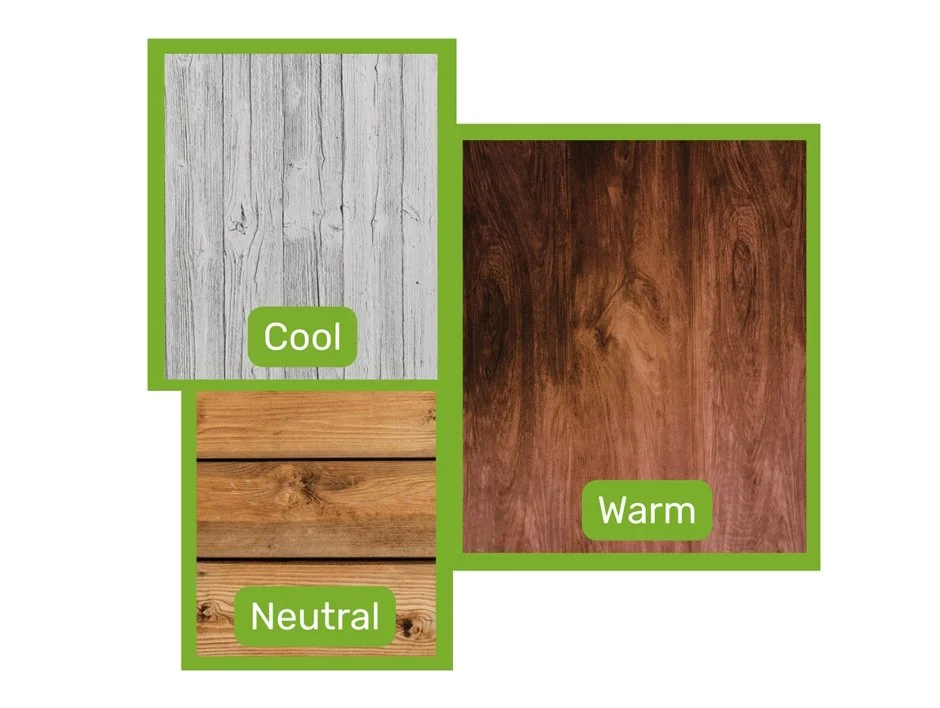
Understanding colour temperature is essential when selecting a finish. The tone you choose will influence not only the timber but also how the furniture interacts with its surroundings.
Warm colour tones, such as Teak, Mahogany, Medium Oak, and Antique Oak, enhance richness and depth. They bring a sense of warmth and tradition to furniture and work particularly well in classic interiors, heritage properties, or spaces with softer lighting and natural materials. These tones are often chosen for dining tables, cabinets, and statement pieces intended to feel inviting and substantial.
Cool colour tones, including Slate, Pebble Grey, and Ebony, create a more contemporary look. They are well-suited to modern furniture designs, minimalist interiors, and architectural spaces where contrast and structure are important. Cool tones can sharpen edges and emphasise form while still allowing grain to show through.
Neutral colour tones offer subtle refinement rather than transformation. Shades such as Light Oak preserve the timber’s natural appearance while gently enhancing consistency and depth. These tones are ideal when the goal is to showcase craftsmanship and grain rather than colour itself, and they work particularly well in Scandinavian or modern-natural design styles.
How Timber Species Influence Colour Results
One of the most important considerations when working with colour for timber is understanding how different species respond to pigment. The same colour tone can produce noticeably different results depending on grain structure, density, and natural colour.
Hardwoods such as oak tend to absorb pigment more evenly, resulting in rich, balanced tones with clear grain definition. Softwoods like spruce absorb pigment more readily and unevenly, which can lead to stronger contrasts between earlywood and latewood.
This natural variation is not a flaw but a characteristic of real wood. However, it means furniture makers should never rely solely on colour charts. Testing on offcuts from the same timber batch is essential, especially for larger or more complex pieces where consistency matters.
Preparing Furniture for Colour Application
Preparation is often the difference between an average finish and an exceptional one. Timber must be sanded thoroughly and evenly, progressing through the grits to achieve a smooth but absorbent surface. Inadequate sanding can result in visible scratches, while over-polishing can seal the surface and prevent proper pigment penetration.
Dust removal is equally important. Residual dust can interfere with absorption and lead to patchy colour. Surfaces should be clean, dry, and free from contaminants before application begins.
Taking time at this stage ensures that Treatex Colour Tone Ultra can penetrate evenly, delivering consistent colour and a refined final appearance.
Applying Colour Tones for Consistent Results
Application technique plays a significant role in the outcome. Colour tones should be applied sparingly and evenly, always working with the grain. Heavy application can lead to dark patches or uneven colour development, particularly on softer timbers.
Building colour gradually allows greater control and helps avoid mistakes. Furniture makers often achieve the best results by applying thin coats and assessing the colour as it develops, rather than aiming for full depth immediately.
Environmental conditions also matter. Working in stable temperatures and avoiding high humidity helps ensure predictable drying and absorption.
Protecting Coloured Furniture with the Right Finish
Once the desired colour has been achieved, protection becomes the next priority. Furniture is subject to wear, spills, heat, and handling, all of which can compromise unprotected surfaces.
While Treatex Colour Tone Ultra provides colour and aesthetic enhancement, sealing with Treatex Hardwax Oil Ultra adds durability and resistance without masking the grain or altering the tone. This combination is particularly effective for tables, worktops, cabinets, and other high-use furniture.
The hardwax oil enhances depth and sheen while maintaining a natural, tactile finish that complements the coloured timber.
Sustainability and Environmentally Friendly Paint Choices
Sustainability is increasingly important in furniture making, both for environmental reasons and for client expectations. Treatex products are developed with environmental responsibility in mind, using natural oils, low VOC formulations, and long-lasting finishes that reduce the need for frequent reapplication.
Choosing an environmentally friendly paint or finish supports healthier workshops, reduces environmental impact, and aligns with modern values without compromising on performance or appearance.
Common Mistakes Furniture Makers Should Avoid
Even experienced makers can encounter issues when working with colour tones. Common pitfalls include skipping test samples, applying too much product too quickly, and underestimating how timber variation affects the final result. Rushing the process often leads to inconsistent finishes that are difficult to correct later.
Patience, preparation, and testing remain the most reliable tools for achieving professional results.
Bringing Your Furniture Designs to Life with Treatex
Colour is one of the most expressive tools available to furniture makers. Used thoughtfully, it can enhance form, highlight craftsmanship, and transform how a piece is experienced. With the flexibility, quality, and sustainability of Treatex Colour Tones, makers can confidently tailor finishes while preserving the natural beauty of timber.
Explore Treatex Colour Tones Today
If you’re ready to enhance your furniture projects with professional-quality colour for wood, explore the full Treatex Colour Tone Ultra range. Order samples, experiment with finishes, and combine with Treatex Hardwax Oil Ultra for durable, beautiful results.
Discover the Treatex Colour Tones range today and bring your timber designs to life with confidence.