How to Select Stains for Wood in High-Traffic Areas
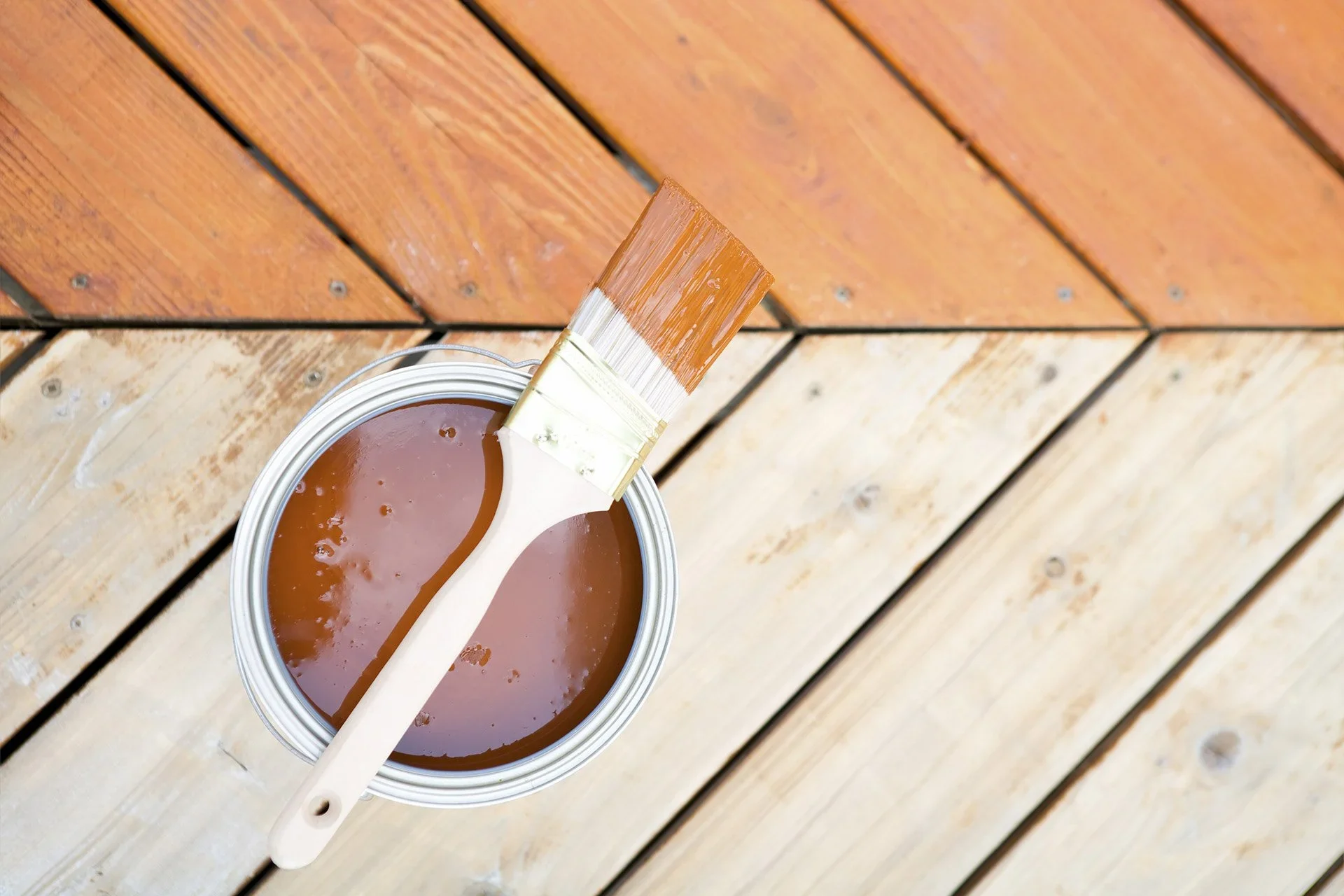
Wood brings warmth, character and natural beauty to interiors, but surfaces that see daily use need more than good looks alone. Floors, tables, worktops and frequently handled furniture are constantly exposed to abrasion, spills, heat and moisture. Selecting the right stains for wood in these environments is about achieving the colour you want while ensuring the timber is properly protected for the long term.
At Treatex, we work with homeowners, tradespeople and designers who want finishes that enhance the wood's grain without compromising durability. This guide explores the different types of wood stains available, how they behave in high-use settings, and how to combine them with the correct timber treatment and top coat to achieve a finish that lasts.
Understanding the Demands of High-Traffic Wooden Surfaces
High-traffic areas place unique stresses on timber. Flooring must cope with footfall, grit and regular cleaning, while worktops and tables are exposed to heat, liquids and food preparation. In these situations, colour alone is not enough. The stain must penetrate evenly, remain stable under wear, and be compatible with a protective finish that can withstand everyday life.
Stains for wood used in these settings should never be considered in isolation. They form part of a wider timber treatment system that includes surface preparation, colouring and sealing. Choosing products designed to work together is one of the most effective ways to ensure consistent colour, reliable protection and easy maintenance.
The Role of Wood Stains in Colour and Character
Wood stains are designed to alter or enhance the natural colour of timber while allowing the grain to remain visible. Unlike paints, which sit on the surface and obscure texture, stains soak into the wood fibres and interact with the character of the timber itself. This makes them particularly appealing for oak floors, dining tables and fitted furniture, where the natural pattern of the wood is part of the appeal.
In high-traffic areas, stains also help to create a practical aesthetic. Deeper tones can help disguise minor marks that develop over time, while lighter finishes can brighten spaces and make rooms feel more open. Choosing the right shade is as much about how the surface will age as how it looks on day one.
Penetrating Stains and Their Performance Under Wear
Penetrating stains are absorbed into the timber, colouring it from within rather than forming a surface film. This makes them well-suited to areas that experience friction, as there is no brittle layer to crack or peel. When combined with a compatible top coat, penetrating stains offer a natural-looking finish with excellent longevity.
For surfaces such as floors and worktops, penetrating stains provide an ideal base for further protection. They allow the wood to breathe and move naturally while providing a consistent colour that will not flake away with use. This type of stain is particularly effective on open-grained timbers such as oak, where the grain structure allows for even absorption.
When an Opaque Wood Stain is the Right Choice
While many people prefer a translucent finish, there are situations where an opaque wood stain is more appropriate. Opaque stains provide stronger colour coverage while still allowing some texture of the wood to show through. They are often chosen when timber has visual inconsistencies, repairs or colour variation that need to be unified.
In high-traffic areas, an opaque wood stain can also be useful for refreshing tired surfaces without replacing them. When paired with a durable top coat, it can extend the life of floors, doors or furniture while giving them a completely new look. The key is to ensure the stain is designed to penetrate and bond with the timber rather than forming a fragile surface layer.
Choosing the Right Stain for Oak Surfaces
Oak is one of the most popular timbers for flooring, furniture and joinery, valued for its strength and distinctive grain. Selecting an oak colour stain requires careful consideration, as oak reacts strongly to pigments and can vary significantly in tone depending on its age and preparation.
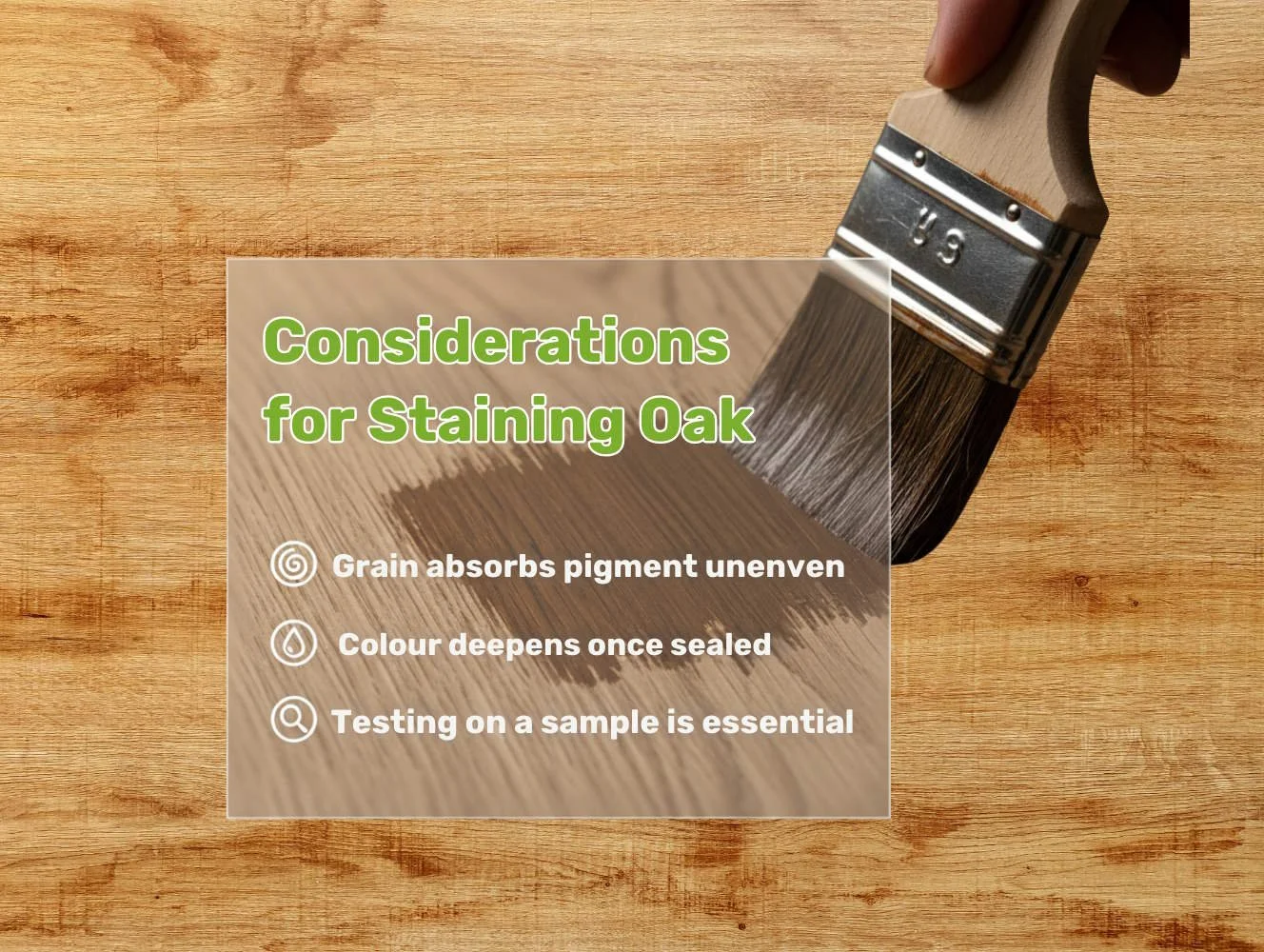
An oak colour stain should enhance the natural warmth of the timber rather than mask it. In high-traffic settings such as hallways or dining areas, mid-tones are often a practical choice, as they balance visual interest with the ability to hide everyday wear. Testing the stain on an offcut or inconspicuous area is always recommended, as this reveals how the colour will develop once a top coat is applied.
Staining Oak Furniture for Everyday Use
Oak furniture stain selection is particularly important for items that are handled frequently, such as tables, desks and cabinets. These surfaces must withstand repeated contact, cleaning and occasional spills without losing their appearance. A well-chosen stain can deepen the colour of oak furniture while maintaining its natural character.
When staining oak furniture for high-use areas, even application and adequate drying time are essential. The stain should be allowed to penetrate fully before any protective finish is applied. Rushing this stage can lead to uneven colour or reduced adhesion of the top coat, both of which can compromise durability.
Pairing Stains With The Right Protective Top Coat
In high-traffic areas, the true durability of a finish comes from the top coat rather than the stain alone. Once the desired colour has been achieved, the stained surface must be sealed with a product that offers resistance to wear, moisture and everyday spills.
Treatex Hardwax Oil is designed to work in harmony with stained timber, providing a breathable yet hard-wearing finish suitable for floors, worktops and furniture. It penetrates the surface while forming a tough protective layer that can be easily maintained. Pairing stains for wood with a compatible hardwax oil ensures the colour remains stable and the surface is protected without creating a plastic-looking film.
Why Compatibility Matters in Timber Treatment Systems
Using products from the same timber treatment system reduces the risk of unexpected reactions, such as poor adhesion or colour changes. Stains and top coats are formulated to complement one another, allowing pigments to remain locked into the wood while the protective layer takes on the wear.
In high-traffic areas, this compatibility becomes even more important. Daily use will quickly expose weaknesses in a finish, whether through patchy wear or dulling of the surface. Choosing stains and top coats designed to work together helps ensure consistent performance across the entire area.
Preparing Wood Properly Before Staining
No stain will perform well on poorly prepared timber. Before applying stains for wood, the surface should be clean, dry and evenly sanded. Any existing finishes must be removed, as these can prevent the stain from penetrating evenly. Dust should be carefully removed to avoid speckling or uneven colour.
Preparation is particularly important for floors and worktops, where inconsistencies will be highly visible. Taking time at this stage not only improves the final appearance but also helps the stain absorb evenly, creating a stable base for the protective finish.
Applying Stains Effectively for High-Traffic Results
Application technique plays a significant role in how a stain performs. Stains should be applied evenly, working along the grain of the wood to encourage uniform absorption. Excess product should be removed to prevent sticky patches or uneven colour build-up.
For large areas such as floors, working in manageable sections helps maintain consistency. Adequate ventilation and drying time are essential, particularly before applying a top coat. Allowing the stain to cure properly ensures the subsequent protective layer bonds effectively, maximising durability in high-use settings.
Maintenance and Long-Term Performance
Even the best finishes benefit from regular care. One advantage of using stains combined with hardwax oil finishes is the ease of maintenance. Rather than sanding back entire surfaces, worn areas can often be refreshed locally, preserving the original colour and reducing disruption.
Regular cleaning with products designed for oiled surfaces helps maintain the appearance of stained timber. This approach supports the longevity of the timber treatment, keeping high-traffic areas looking their best for years to come. Try our range of cleaning products at Treatex for an effective yet safe clean.
Making Confident Choices for Busy Spaces
Selecting stains for wood in high-traffic areas is about balancing aesthetics with practicality. By understanding how different stains behave, choosing the right tone for your timber, and pairing it with a compatible protective finish, you can achieve a surface that looks beautiful and performs reliably.
Whether you are working with floors, worktops or oak furniture, a considered approach to staining and protection will reward you with a finish that enhances the natural beauty of the wood while standing up to everyday life.
Ready to transform your timber?
If you are planning a project and want expert advice on stains for wood, timber treatment or choosing the right finish for high-traffic areas, explore the full range of Treatex wood finishes online. Our team is always happy to help you select the ideal products to bring out the best in your wood and protect it for the long term. Contact us today for further information and support.