Treatex Oil Cleaner: What It Is and When to Use It

Oil-based finishes are chosen for their natural appearance, durability and ease of repair, making them popular for floors, furniture, worktops and joinery. However, maintaining these surfaces correctly is essential if they are to perform as intended over time. Using the wrong cleaning products can dull the finish, weaken protection or cause uneven wear. This is where an oil cleaner plays an important role.
At Treatex, based in Oxfordshire, we design finishes and maintenance products that work together as a complete system. This guide explains what an oil cleaner is, how it differs from everyday household cleaners, and when it should be used for routine maintenance or deeper renovation. It is written to support both DIY beginners caring for their first oiled surface and furniture makers maintaining high-quality pieces.
What is an oil cleaner?
An oil cleaner is a specialist product designed specifically for cleaning timber surfaces that have been finished with oil-based treatments. Unlike general-purpose cleaners, it does not aggressively strip oils from the surface or leave residues that interfere with the finish. Instead, it lifts dirt and contamination while respecting the protective layer already present on the wood.
This distinction is particularly important for surfaces finished with hardwax oil for wood. Hardwax oil penetrates the timber while forming a durable, breathable surface layer. An oil cleaner is formulated to clean within those parameters, helping to maintain both appearance and performance.
Why Standard Household Cleaners Are Unsuitable
Many everyday cleaning products are designed to cut through grease and oils. While that may be helpful on tiles or laminates, it can be damaging on oiled timber. Over time, repeated use of unsuitable cleaners can break down the protective layer, leaving the surface looking dull, patchy or prematurely worn.
In addition, some cleaners leave residues that attract dirt, making floors or furniture appear dirty again very quickly. Excessive water use can also cause timber to swell or mark. Using a purpose-made oil cleaner avoids these issues and supports the long-term condition of oiled wood.
Understanding Maintenance Versus Renovation Cleaning
When caring for oiled timber, it helps to distinguish between routine maintenance and deeper renovation. Each requires a different approach and a different type of oil cleaner.
Maintenance cleaning focuses on removing everyday dirt, light marks and general build-up while preserving the existing finish. Renovation cleaning is used when a surface has become heavily soiled, greasy or dull and needs to be thoroughly cleaned before being refreshed or recoated.
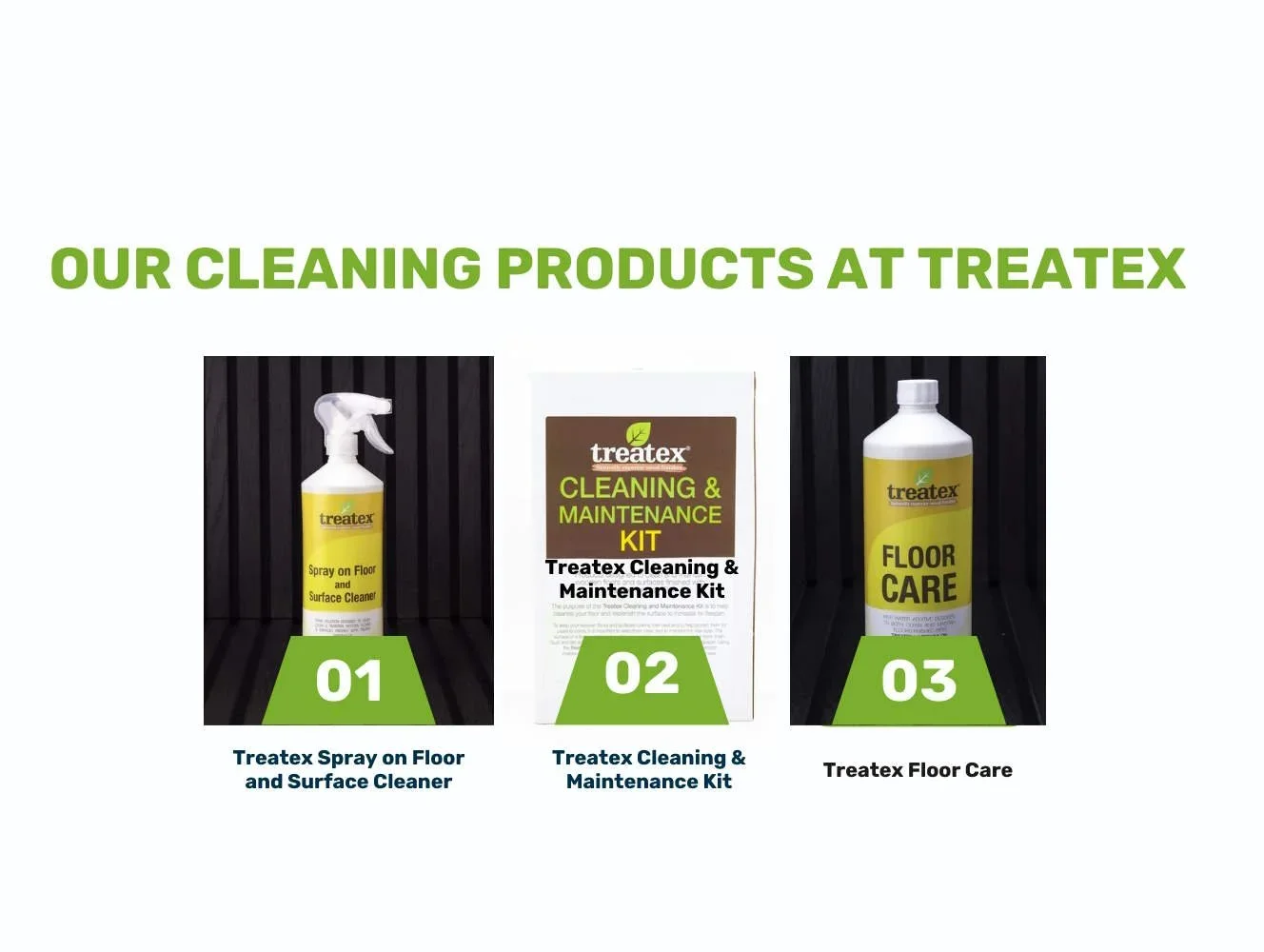
Treatex offers a range of cleaning products designed to suit both situations, allowing you to choose the right level of intervention without over-treating the surface.
Routine Maintenance with an Oil Cleaner
For regular cleaning, the aim is to keep the surface looking good without removing protective oils. Products such as a hardwax oil cleaner designed for routine use clean effectively while supporting the finish rather than degrading it.
This type of oil cleaner is ideal for floors, tables and worktops that are in frequent use but not yet worn. Used consistently, it helps prevent the gradual build-up of grime that can make surfaces look tired, reducing the need for more intensive renovation later.
When Renovation Cleaning is Required
Renovation cleaning becomes necessary when routine cleaning no longer restores the appearance of the timber. This may be the case for floors in busy walkways, kitchen worktops exposed to grease, or furniture that has accumulated years of handling marks.
A stronger oil cleaner is used in these situations to remove ingrained dirt and contamination. This process prepares the surface for further treatment, such as refreshing with wax or applying a new coat of oil, ensuring that the new finish bonds properly and looks even.
How Oil Cleaning Supports Treatex Hardwax Oil Finishes
Surfaces finished with Treatex Hardwax Oil Ultra are designed to withstand everyday wear while maintaining a natural look. Cleaning plays a key role in preserving these properties. The right oil cleaner helps maintain water resistance and surface durability by removing contaminants without stripping the finish.
You may also encounter references to treatex hardwax oil natural, particularly on older projects. While product naming has evolved, the care principles remain the same. Cleaning products intended for surfaces treated with Treatex Hardwax Oil are the safest and most effective choice for ongoing maintenance.
Step-by-Step: Deep Cleaning for Renovation
This process is suitable when preparing a surface for refreshing or when routine cleaning is no longer sufficient.
Step 1: Remove Surface Dust and Debris
Begin by vacuuming or sweeping the area to remove loose dirt, grit and dust. This prevents abrasion during wet cleaning and allows the oil cleaner to work more effectively on ingrained contamination.
Step 2: Dilute the Oil Cleaner Correctly
Prepare the Treatex Floor Cleaner according to the product instructions. Using the correct dilution ensures effective cleaning without unnecessary removal of protective waxes or oils.
Step 3: Apply and Agitate the Solution
Apply the diluted cleaner using a mop, brush or suitable cleaning pad. Work evenly across the surface, gently scrubbing to lift dirt while keeping the timber damp rather than wet.
Step 4: Rinse the Surface Carefully
Once the contamination has been lifted, rinse the surface with clean water to remove any remaining residue. Take care to control moisture and avoid soaking the wood.
Step 5: Allow Adequate Drying Time
Leave the surface to dry thoroughly before applying any further treatment. Proper drying ensures that subsequent products adhere correctly and perform as intended.
Step-by-Step: Quick Cleaning for Everyday Maintenance
This approach is ideal for regular upkeep and light cleaning between deeper maintenance sessions.
Step 1: Apply the Cleaner Sparingly
Lightly apply Treatex Spray on Floor and Surface to the surface, avoiding excess liquid. A controlled application helps prevent streaking and protects the timber from unnecessary moisture.
Step 2: Wipe or Buff the Surface
Use a clean cloth, mop or suitable pad to wipe the surface and lift dirt. This process refreshes the appearance while maintaining the protective finish.
Knowing When to Clean and When to Recoat
One of the advantages of using proper oil cleaner for wood is that it allows targeted maintenance. If cleaning restores an even appearance and sheen, no further action is required. If the timber still appears dry or worn after cleaning, it may be time to refresh the surface with an additional coat of oil.
Cleaning should always be the first step, as it reveals the true condition of the finish and prevents sealing dirt beneath a new layer.
Common Questions About Oil Cleaners
A frequent concern is whether washing-up liquid or multi-surface cleaners can be used on oiled wood. While tempting, these products are not designed for oil finishes and can damage the protective layer over time. A dedicated oil cleaner is a safer and more effective choice.
Another question is how often deep cleaning is required. Renovation-level cleaning should only be carried out when necessary, such as before refinishing. For most households, regular maintenance cleaning is sufficient to keep surfaces in good condition.
Oil cleaners are not limited to floors. Any surface finished with hardwax oil for wood, including furniture, shelving and worktops, can benefit from appropriate cleaning.
Building a Simple Long-Term Care Routine
For most homes and workshops, a simple routine is all that is needed. Regular light cleaning keeps surfaces presentable and functional, while occasional renovation cleaning prepares timber for refreshing when required. The key is consistency rather than intensity, using products designed to work with oil finishes rather than against them.
Over time, this approach helps maintain the rich appearance associated with finishes such as Treatex Hardwax Oil Ultra, while ensuring the surface continues to perform as expected under everyday use.
Ready to maintain your oiled wood properly?
Explore the full Treatex cleaning and maintenance range to find the right oil cleaner for your surface. If you need advice on caring for timber finished with Treatex Hardwax Oil Ultra or maintaining older finishes, our team is always happy to help you choose the best solution for your project. Get in touch with us today to find out more.